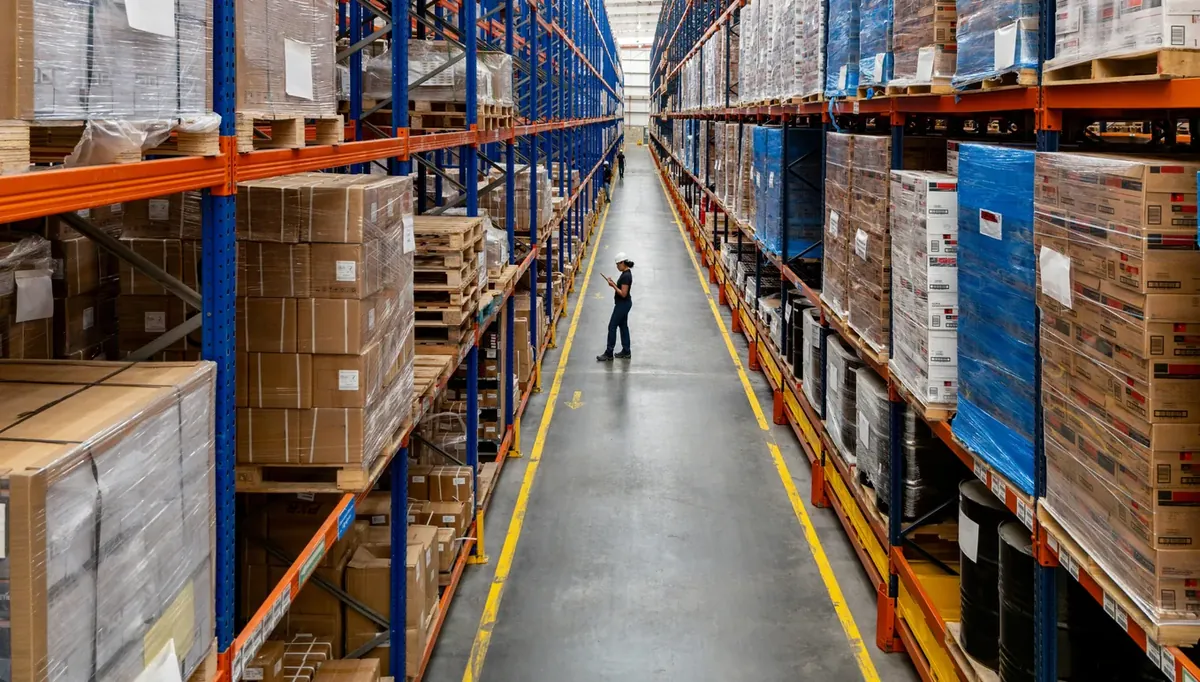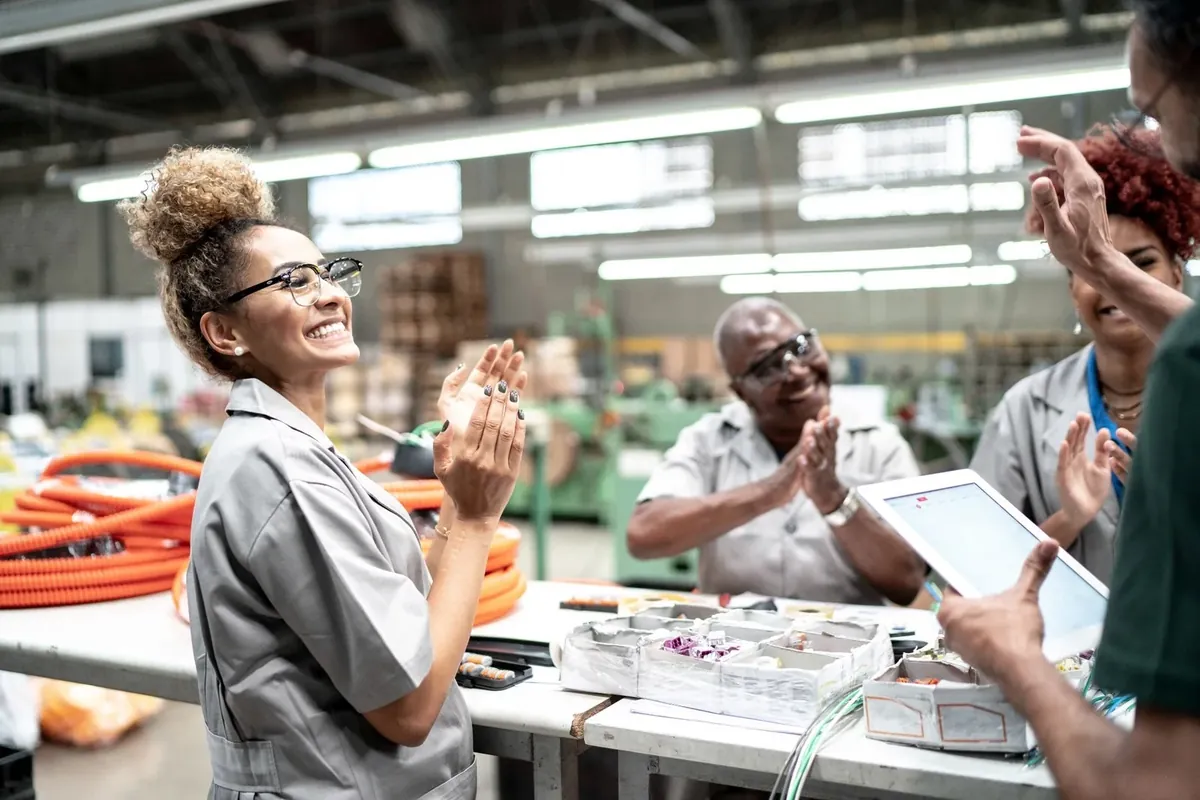
The disruptions of 2020 through 2022 arrived from directions that had little to do with each other: a pandemic, a war, a chip shortage, and a river running low. Predicting which of those was coming would have required four unrelated forecasts, all correct, all early enough to act on. That's not a planning method. The more useful question is what makes a supply chain able to absorb a disruption regardless of where it comes from.
What actually caused the 2020 to 2022 slowdowns
It's worth separating the causes, because they failed in different ways and the fixes aren't the same.
The COVID-19 pandemic. People got sick and couldn't work. Distancing rules cut how many people could be in a building at once. Output fell at the same time demand patterns shifted hard toward goods, and the two effects compounded.
Russia's invasion of Ukraine in February 2022. Prices moved sharply for oil, gas, grain, and fertilizer. Freight rates rose, container availability tightened, and closed ports pushed cancellations back through the order book.
The semiconductor shortage. This one is structural rather than accidental. Demand exceeded fabrication capacity, and new capacity takes years to bring online, so the gap between deciding to build more and shipping more chips could not be closed quickly no matter what anyone spent.
Extreme weather. Low water on the Rhine in August 2022 disrupted barge traffic on one of Europe's main inland freight routes, as NPR reported at the time. Nobody's contingency plan had a line item for a river being too shallow.
Four causes and four different mechanisms, arriving at the same place: an order that couldn't be filled on the date it was promised. That's the reason the strategies below are about having a second option available rather than about seeing further ahead.
What the disruption actually costs
McKinsey estimates that supply chain disruptions cost the average organization around 45 percent of one year's profits over the course of a decade. That figure is worth sitting with, because it reframes resilience spending. The comparison isn't resilience against zero. It's resilience against a cost you're already paying in a form that never shows up as a line on the budget.
1. Build flexibility in before you need it
Flexibility means having a second option that's already been thought through, not one you improvise during the week it's needed. That could be extra stock on hand, a second stocking location, a qualified alternative supplier, a staffing agency you already have a contract with, or a second piece of equipment that can run the same job more slowly.
Cost each option honestly and pick the cheap ones first. Some contingency plans carry so much standing overhead that they hurt you every quarter the disruption doesn't happen. If a temporary measure is still dragging on efficiency six months later, either make it permanent and lean or take it back out.
2. Add depth to the supplier list
A single source for anything critical is a decision to accept that supplier's problems as your own. Get a second source qualified for the parts and materials that would stop you.
The word to notice there is qualified. Naming a backup in a spreadsheet isn't a backup. Qualifying one means you've run their material, checked it against spec, agreed pricing and terms, and ideally placed a real order, so that switching is a purchase order rather than a project. That qualification takes weeks or months, which is exactly why it has to happen before you need it.
The side benefit is ordinary commercial leverage. Suppliers who know they aren't the only option tend to quote better and deliver more predictably.
3. Look at how far your suppliers actually are
Distance is lead time, and lead time is the single input that determines how much stock you have to carry. A supplier eight hours away by truck lets you order smaller quantities more often, hold less, and correct a mistake within the week. A supplier eight weeks away by sea means every ordering decision is a forecast, and every forecast error sits in your building for months.
Nearby sourcing usually costs more per unit and less in total. Run the comparison on landed cost including the inventory you have to carry, not on the unit price alone.
4. Size your buffers using lead time variability
Buffer stock is expensive, so put it where it earns its keep. The items that justify a buffer are the ones with long or unreliable lead times, the ones with no qualified second source, and the ones that stop production or a shipment when they run out.
Base the size on how much the lead time varies rather than on how anxious the last stock-out made everyone. An item that reliably arrives in three weeks needs far less cover than one that arrives somewhere between two and nine weeks, even if the average is identical. Seasonal patterns and launches deserve their own treatment, since a product that sold through in a prior season is a much better bet than one nobody has sold yet.
5. Tell your own team what's happening
Sales and customer service are talking to customers all day, and they'll answer questions about delivery dates with or without accurate information. Give them the accurate version.
That means visibility into what's on hand, what's on a purchase order, and what's inbound but not yet received, because an order that's on the water is very different news for a customer than an order that hasn't been placed. It also means giving the team a clear position on substitutions, so they know which alternatives they're allowed to offer instead of escalating every call.
Resilience is a standing set of choices
None of these five is a project with an end date. They're decisions you keep making, about where you source from, how much you hold, and who inside the company gets to see the real numbers. That's why they hold up against a disruption you didn't see coming. When a supplier misses, the thing that helps is a second supplier who has already run your material, and no forecast was required to have arranged that.