Practical guides for warehouse and inventory teams, plus the occasional note on what we are building.
Nearly every warehouse in the country runs on barcodes, and almost nobody knows where they came from. A graduate student who overheard the wrong conversation, a man drawing lines in beach sand, and twenty-five years of the idea going nowhere.
If you sell, store, or ship physical products, sooner or later you have to barcode them. Maybe a retailer is asking for scannable labels, maybe your…
Digitization converts something analog into digital form. Digitalization changes how the work runs once it's digital. Confusing the two is how automation projects end up as expensive filing cabinets.
A second warehouse changes how you track, route, and replenish stock. Four techniques for keeping counts honest and orders moving once inventory lives in more than one building.
You can't forecast the next disruption, but you can build a supply chain that absorbs one. Five strategies covering flexibility, supplier depth, geography, buffer stock, and keeping your own team informed.
In food and beverage, a quantity on hand isn't enough to act on. What matters is which lot it is, how much shelf life is left on it, and where it's allowed to sit.
In a freezer warehouse the cold is the operating constraint, not the product. What that changes about scanners, batteries, dock design, break scheduling, and the temperature records you have to be able to produce.
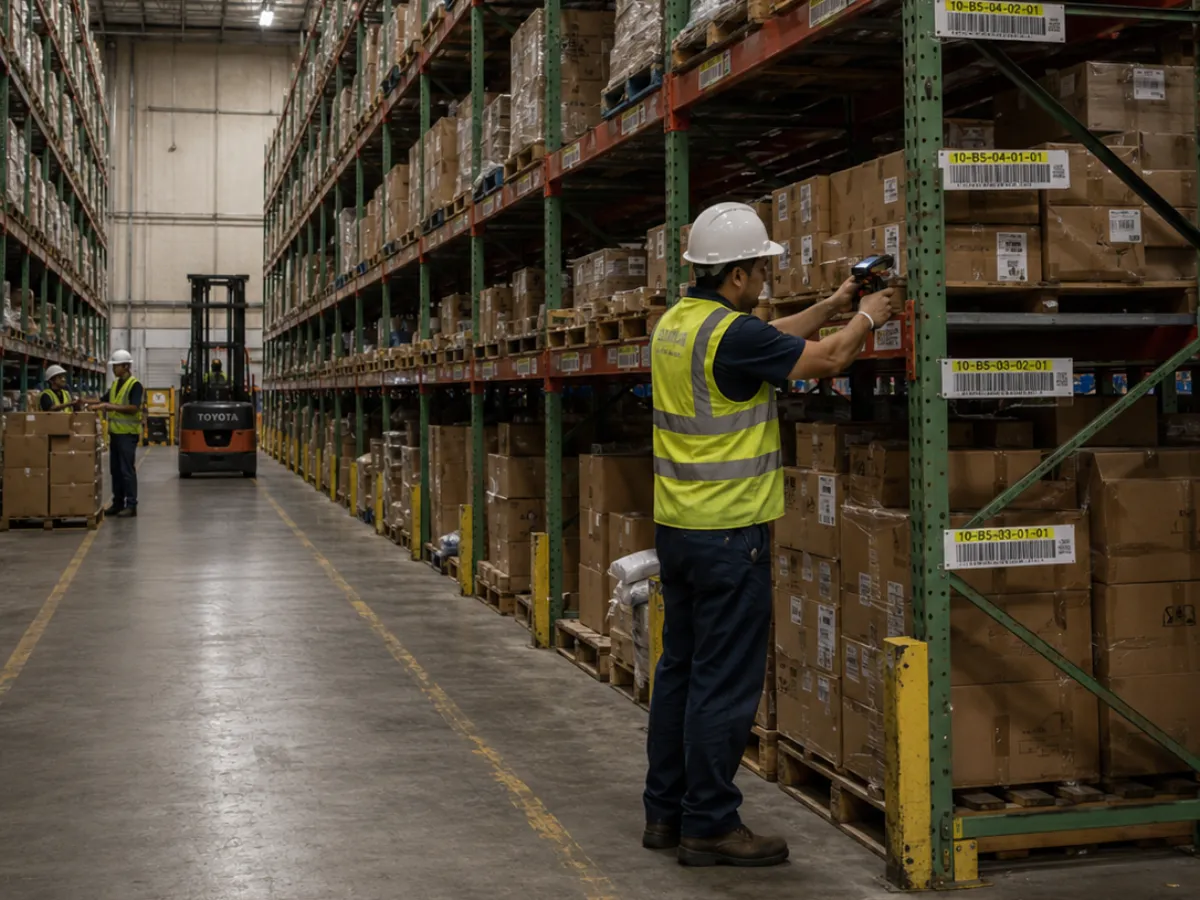
A physical inventory count tells you what's on the shelf on one day. A cycle count tells you why the number drifted. Most operations need both, for different reasons.
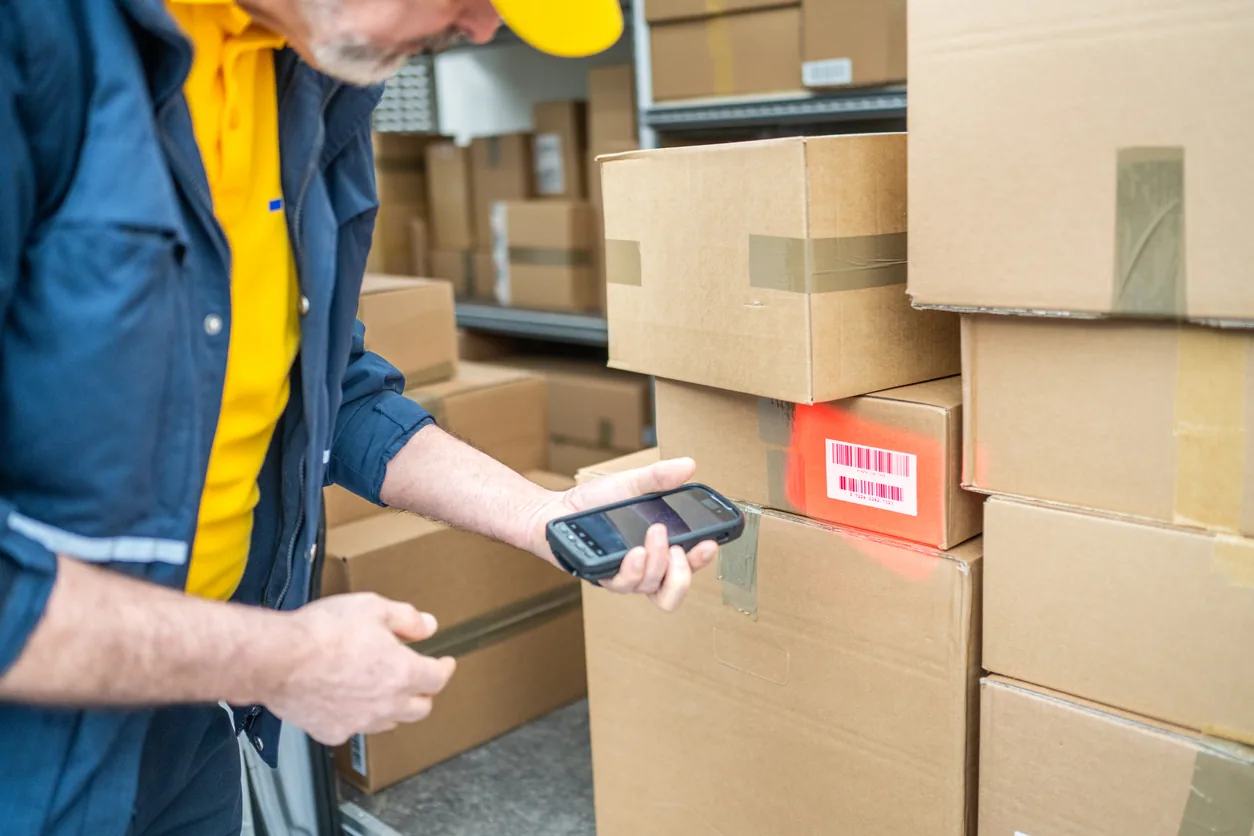
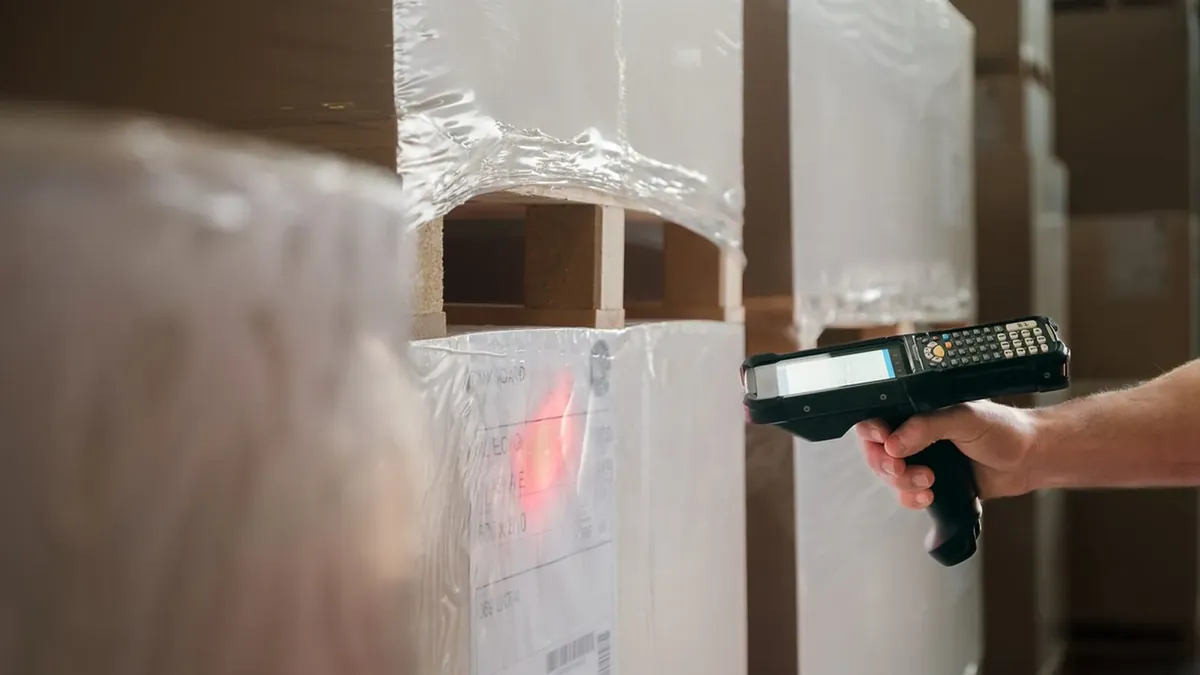
What a barcode actually is, where it earns its keep in a warehouse, and the four things worth checking before you buy scanners: durability rating, temperature range, form factor, and symbology support.
Label printing software isn't one category. What decides whether it works is where the data comes from, where the label prints, and whether the barcode still scans when it reaches the customer.
A mispick isn't one mistake. Paper picking has four decision points and no verification step, and the expensive part is everything that happens after the box leaves the dock.
The UPC isn't going away, but a second code is showing up next to it. What GS1's Sunrise 2027 milestone asks of retail scanning, where 2D codes already run in warehouses, and what it means for the scanners you own.
A phone with a scanning app and a rugged handheld will both read a barcode. The differences that decide a warehouse deployment are the scan engine, the battery, the housing, and how the device gets managed.
A full count exists to serve valuation, insurance, and planning, not to prove the warehouse is tidy. Why counts come back wrong, and why cycle counting carries more of the load than the annual shutdown does.
Stay connected with Endpoint and receive new blog posts in your inbox.