The first mock recall I ran, we passed, and I am still not sure we deserved to. A grocery customer's audit questionnaire asked whether we could trace a lot in a set time, so our QA manager picked a lot off a packing slip, started the clock, and the shipping report came off the printer before my coffee was cold. Then she asked where the rest of it was. She meant the cases still in the building, not the ones on the report, and finding them took the rest of the day.
A mock recall is a practice run. You pick a real lot, treat it as if it had to come back, and trace every unit of it, back to the supplier, forward to every customer, and into every corner of your own warehouse, against a clock. The shipping side is a report you already know how to print. The warehouse side is where ours stalled, and it is the part most mock recall guides skip. The other posts in our traceability and compliance series cover the records themselves; this one is about the exercise.
What a mock recall is testing
The question is simple: where is every case of this lot right now? A complete answer has three parts. Which ingredient lots and suppliers are behind it. Which customers received it, how much and when. And how much is still on your premises, in which locations, including the cases nobody thinks of as inventory, such as the pallet staged for Monday's truck and the samples QA pulled last week.
FDA's own terms help, because the exercise should cover all three. Under 21 CFR Part 7, a recall is a firm's removal or correction of a marketed product that FDA considers in violation of the laws it administers. If the product has not left your control, getting it back is a stock recovery. Pulling product over a minor issue, or no violation at all, is a market withdrawal. The same trace serves all three, and the stock recovery is the one that happens entirely inside your building.
Who will ask you to run one
The plan has to exist before it can be tested. Under 21 CFR 117.139, a facility making food with a hazard that requires a preventive control must keep a written recall plan, with procedures to notify the direct consignees, notify the public when needed, check that the recall worked and dispose of the recalled food. The regulation does not say how often to test the plan. The mock recall is how you find out whether it works before anyone needs it to.
In our case it was a customer. If you hold a food safety certification such as SQF or BRCGS, the scheme's code sets its own recall testing requirement, and the auditor will want to see the record of the last one. Buyers set their own traceability expectations in their supplier questionnaires, which is where ours came from.
For foods on FDA's Food Traceability List, FSMA 204 adds a clock of its own. More on that below.
How to run a mock recall, step by step
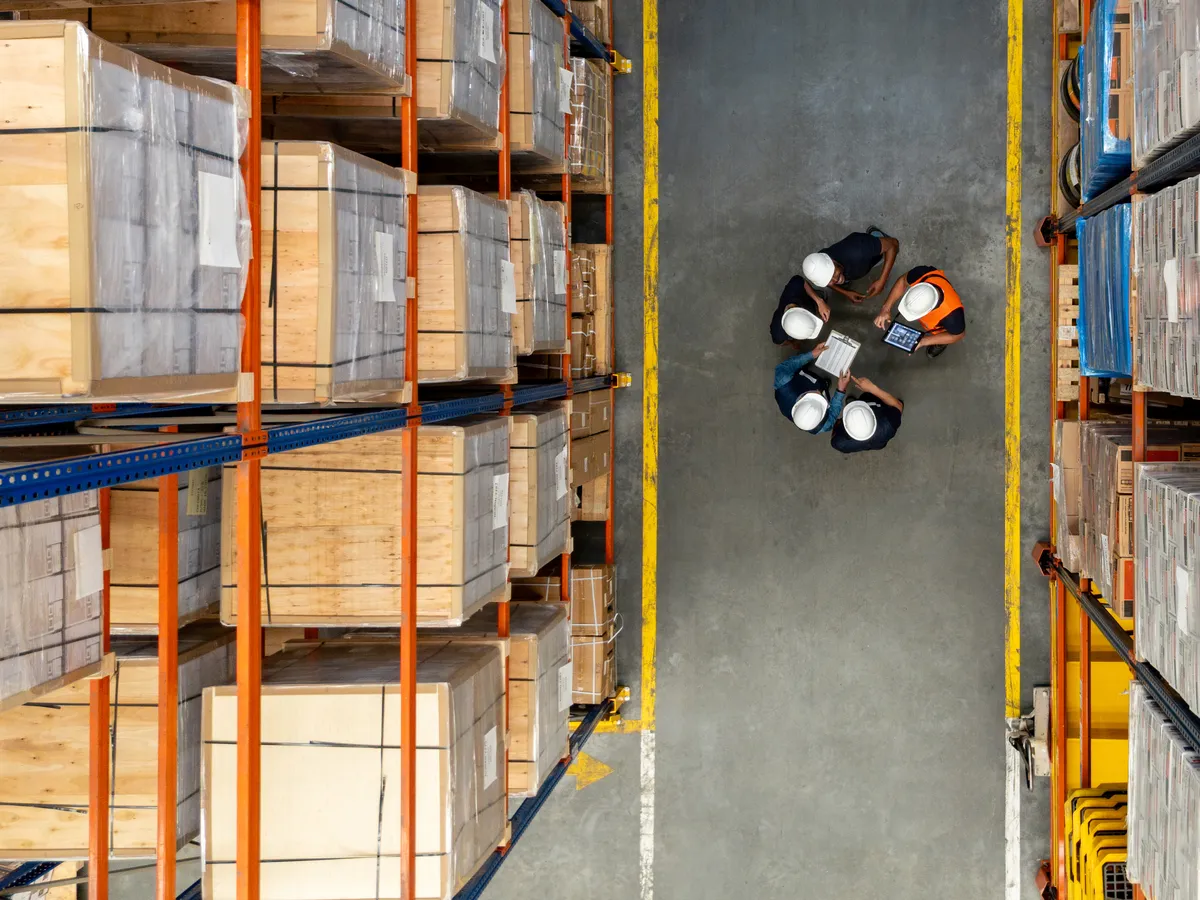
Run it with the people who would handle a real recall: quality, the warehouse, production, shipping and customer service. Eight steps, with what happened on ours where it is useful.
- Choose the lot and the scenario. Pick a real lot that has already shipped, and do not warn the floor. Alternate between a finished-goods lot and an ingredient lot from a supplier; an ingredient lot that went into several production runs is the harder test. Write down a plausible reason, such as an undeclared allergen or foreign material. Ours was a finished-goods lot picked off a packing slip, which is the easy version.
- Start the clock. Note the time the request lands. Set the target before you begin, from your recall plan or your certification code, and stop the clock when the last unit is accounted for, not when the first report prints. We stopped ours at the shipping report the first time.
- Trace backward. For a finished-goods lot, list every ingredient and packaging lot that went into it, the supplier of each and the receiving record: date, quantity, and the bill of lading or invoice number. Keep the supplier's lot code exactly as it arrived, because a supplier's recall notice will quote that code. We were a distributor, so for us this step ended at the supplier's code, and ours was on the packing slip in a file drawer, because receiving had relabeled the pallet with our own number.
- Trace forward. For an ingredient lot, list every production run that used it and every finished lot those runs produced, then every shipment of those lots with the customer, date, quantity and ship-to address. That list is who a real recall notice goes to. If you make the product, the link between the ingredient lot and the work order is the record that decides whether this step takes minutes or days.
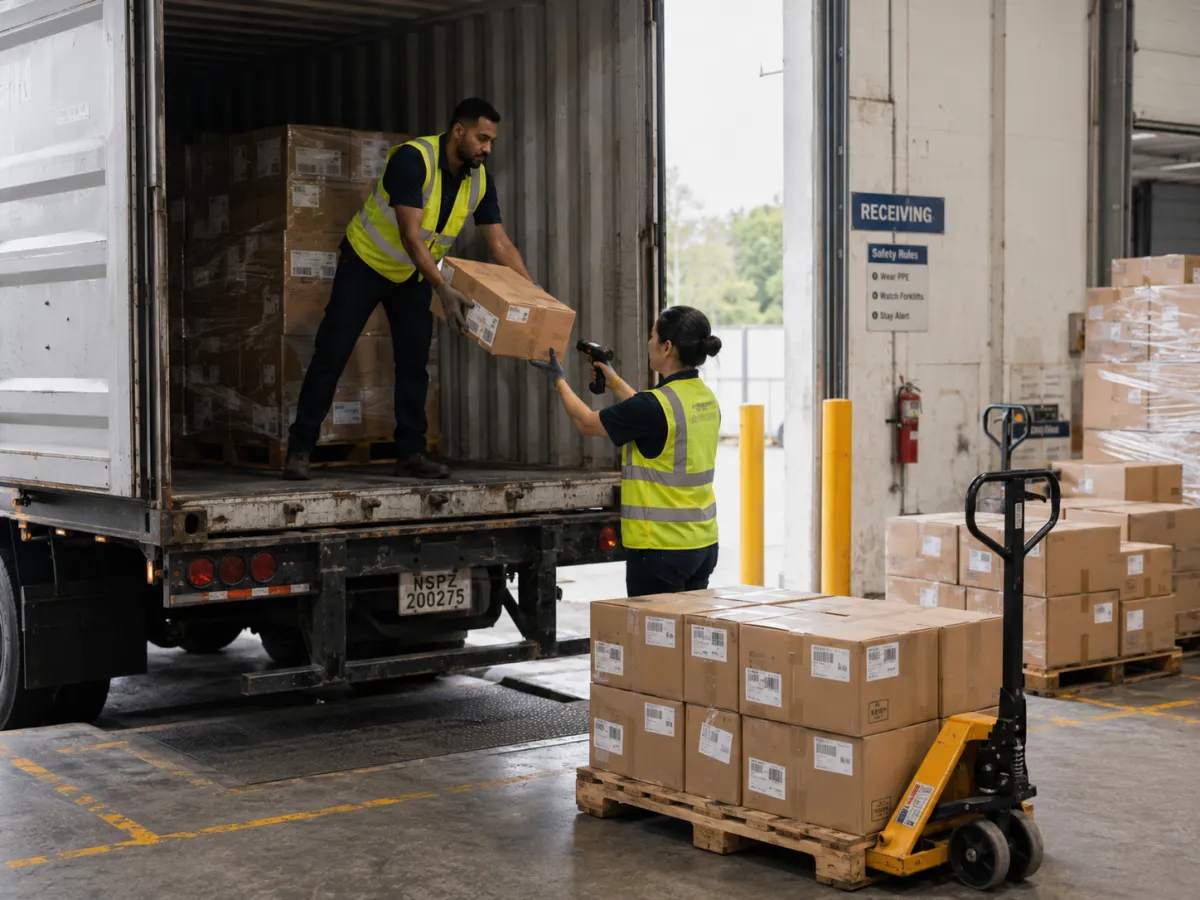
- Find what is still in your building. Locate every case on site: in bins, on staged pallets, on QA hold, pulled as samples, in rework, and on a truck between your own sites. In a real recall this stock goes on hold first. Count it rather than trusting the system's number. Eight of our cases were on a pallet staged for a Monday route, and the system still showed them in the pick location.
- Reconcile the quantities. What you received or produced should equal what you shipped, plus what is on hand, plus what was consumed, scrapped or sampled. Check the unit of measure on every line. If the supplier counts cases of twelve and your dock counts each, the numbers will not balance until someone finds the conversion. Every gap you cannot explain is a finding.
- Test the customer notification. Check you have a current contact for every customer on the forward trace. If you contact them, say plainly that it is a test and that nothing should be moved or destroyed. FDA's guidance in 21 CFR 7.49 says a real recall notice should identify the product, size and lot numbers or codes, explain the reason, and say what to do with the product.
- Score it and fix what slowed you down. Record the elapsed time, the reconciliation result, which records were missing or late, and every place someone had to go and look for paper. Give each finding an owner and a date, and check the fix on the next run.
Where ours stalled: inside the building
Steps 3 to 6 run on warehouse records, and they stall at the moments when product moved and nobody recorded the lot. On our run it was three places.
Receiving had put our own lot number on the pallet and left the supplier's code on the paperwork, so the backward trace needed the file drawer. The staging lane was not a location in the system, so cases picked for Monday still showed in the pick bin and the on-hand number was wrong in the one place that mattered. And QA had pulled samples and written them in a log book, so the reconciliation did not balance until someone found the book.
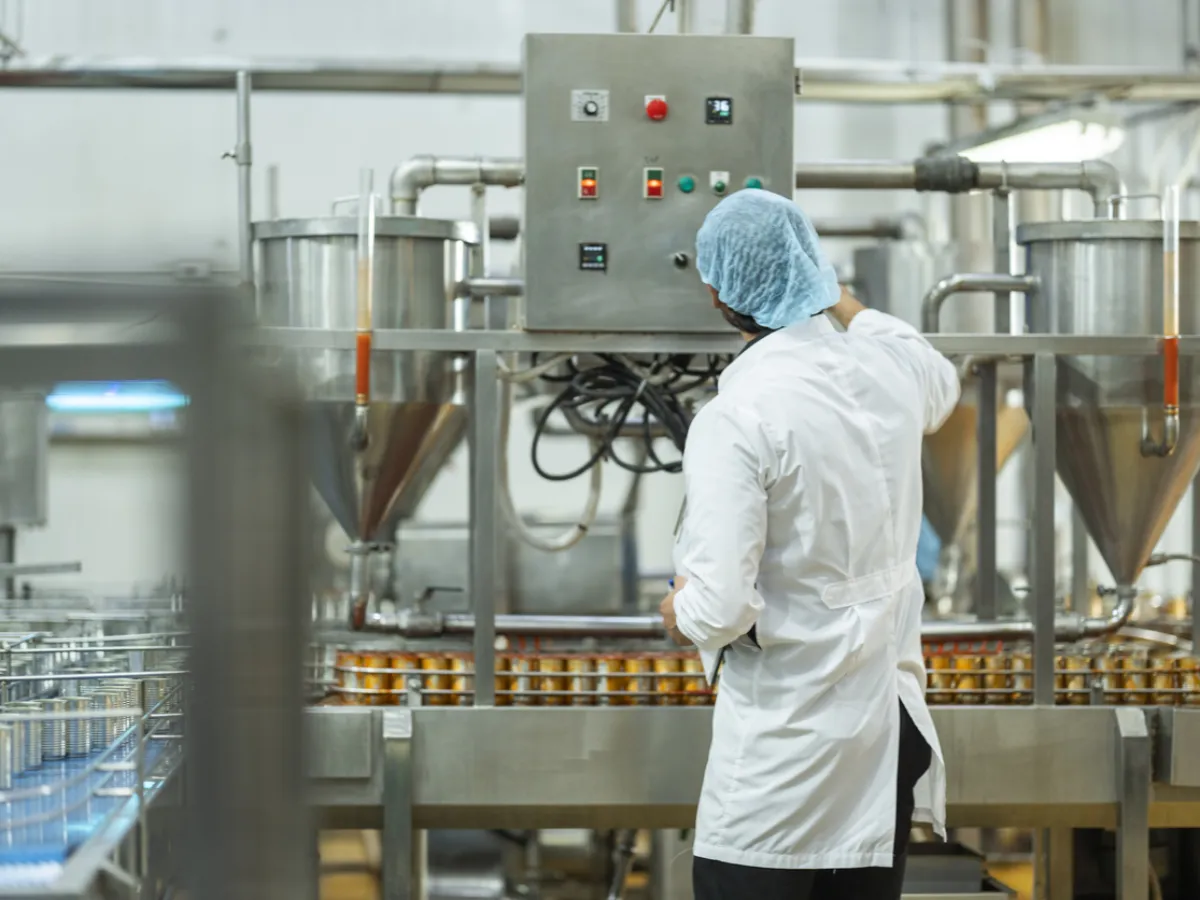
The crew recorded what the system gave them a way to record. The pattern is the same at a manufacturer, with one more stall point: ingredients issued to the line without being recorded against the work order, which leaves a finished lot with no parents.
| Where it stalls | What happens | What fixes it |
|---|---|---|
| Receiving | Supplier's lot code replaced by an internal one, or keyed in later | Scan the lot at receipt; keep the supplier's code next to yours |
| Moves and staging | Split pallets and staged cases still show in the pick bin | Scan every move; make staging a location |
| Production | Ingredients go to the line with no lot on the work order | Record material issue at the point of use |
| Picking | Picker takes the nearest pallet; paperwork records only the item | Pick by lot and location; confirm the lot by scan |
| Holds and samples | Product off the shelf still counts as available | Record holds and samples as moves to a location |
If your suppliers label cases with GS1-128 barcodes, the lot and expiration date are already in the barcode, and our post on lot and serial tracking with GS1 barcodes covers capturing them at receiving instead of retyping them. The same gaps are why a quantity on hand is not enough in food inventory.
How often to run a mock recall
21 CFR 117.139 requires the plan and sets no test frequency. Your certification scheme or your customers may set one, and that is your minimum.
Run an extra one after any change to the systems or people that hold your lot records, such as a new ERP or a second warehouse, and change the scenario each time. The same finished-goods lot every year only tests the path you already know.
The FSMA 204 clock
For foods on FDA's Food Traceability List, the test has a fixed target. FDA has said it will not enforce the Food Traceability Rule before July 20, 2028. After that, a covered firm asked for records during an outbreak or recall must hand FDA an electronic sortable spreadsheet within 24 hours, unless FDA agrees to a longer time.
So time your mock recall against that number. Can you produce the Key Data Elements for each Critical Tracking Event, such as receiving, transformation and shipping, in a spreadsheet, inside a day? Our FSMA 204 compliance guide lists what each record needs, and a mock recall is the only way I know to find out whether you can.
What I would change
The fixes from our run are the ones in the table, and none of them is exotic. Scan the lot at the dock and keep the supplier's code. Make the staging lane and the QA shelf real locations, so a move there is a scan, not a note in a book. At a manufacturer, record the ingredient lot against the work order when it goes to the line. Once that is in place, steps 3 to 6 become a lookup instead of a search.
Software does this part. Endpoint Cloud captures lot and serial numbers at receipt and traces them through to shipment, and on the production side traces each component from raw material through finished goods for audits and recalls. It connects to NetSuite, QuickBooks Online and Sage 100.
Then run the next one on an ingredient lot that went into more than one production run, and start the clock when the question lands. The shipping report will still beat my coffee next time. The clock runs until the last case in the staging lane has a location.