When a supplier recalls a product, the notice tells you which lot numbers are affected. If your records know you have 300 cases of an item but not which lots they belong to, every case of that item is in question, and every customer who bought the item gets a call. If your records know the lot, you pull the affected cases and call the customers who received them.
For more on recalls and trace records, see our posts on traceability.
What is a lot number?
A lot number is a code given to a batch of product that was made, packed or received together, so that batch can be told apart from every other batch of the same item. Every unit in the lot shares the number, and usually a production or expiry date too. The terms batch number and lot code mean the same thing in most warehouses.
The FDA's drug manufacturing rules define a lot number as "any distinctive combination of letters, numbers, or symbols, or any combination of them, from which the complete history of the manufacture, processing, packing, holding, and distribution of a batch or lot" can be determined (21 CFR 210.3). Its food rules are shorter: a lot is "the food produced during a period of time and identified by an establishment's specific code" (21 CFR 117.3).
Foods covered by the FDA's traceability rule add one more term, the traceability lot code. Our FSMA 204 guide explains who assigns it and why it has to stay attached to the product.
What a lot number contains
There is no single format. Each manufacturer or packer sets its own, and many build it from a few parts:
- a production or pack date, sometimes written as a day of the year
- a plant, line or shift code
- a sequence number to separate runs made on the same day
For example, a made-up code like 26145-L2 could mean day 145 of 2026 on line 2. Only the maker's own key says for certain, so don't decode a supplier's lot numbers by guesswork. Store them exactly as printed.
Lot number vs SKU vs serial number
A lot number is not the same as a SKU. The SKU names the item. The lot number names one batch of that item.
| SKU | Lot number | Serial number | |
|---|---|---|---|
| What it identifies | The item | One batch of the item | One single unit |
| Who usually assigns it | You, in your item master | The maker or packer | The maker |
| Units that share it | Every unit of the item | Every unit in the batch | None; each unit has its own |
| Mostly used for | Ordering, pricing, stock levels | Recalls, expiry, quality holds | Warranty, service, high-value goods |
Food, chemicals and other batch-made goods mostly carry lot numbers. Electronics and equipment mostly carry serial numbers. Some items carry both.
Where to find a lot number
On a retail package, look near the expiration or best-by date. The number is often printed or stamped and marked "LOT" or just "L".
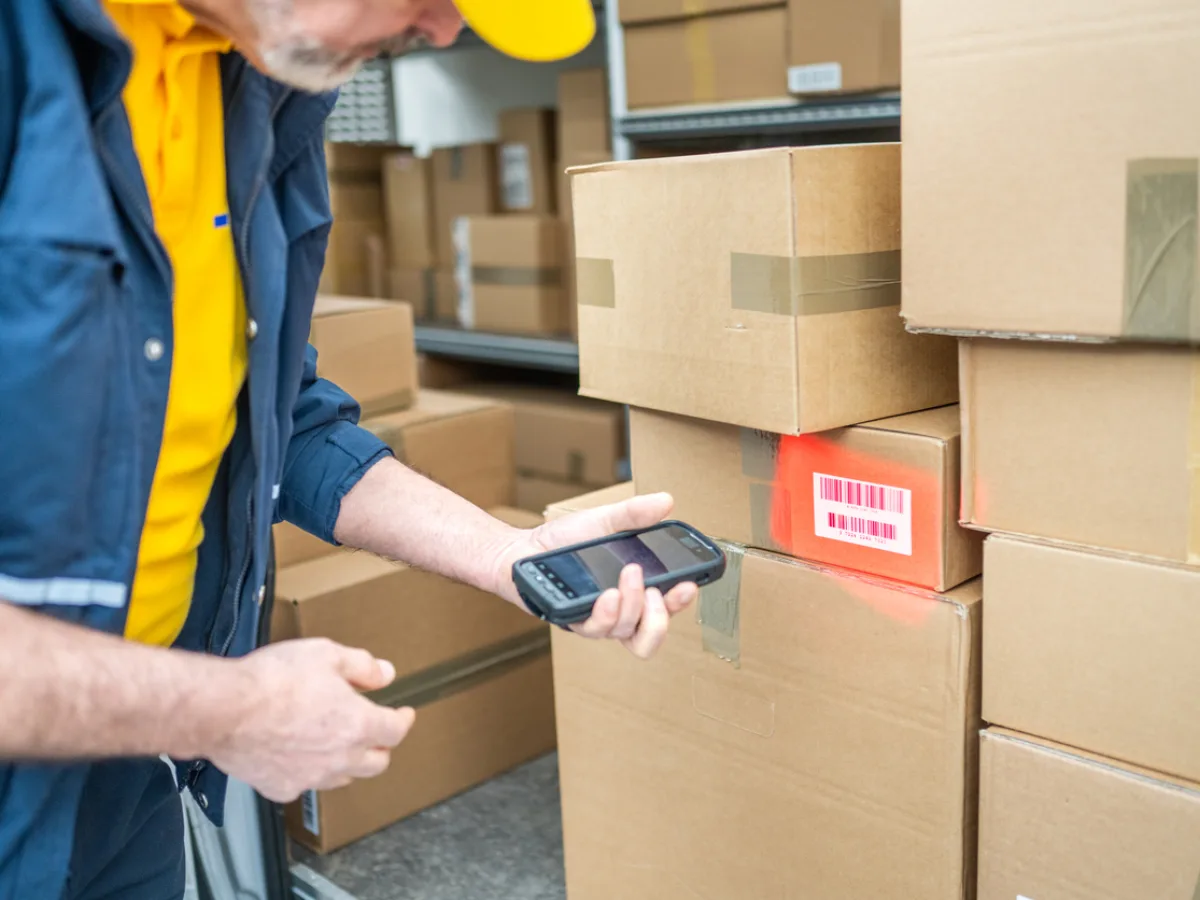
On a case or pallet, the lot number is often inside the barcode. A GS1-128 label carries it under Application Identifier (10), next to the item number and expiry date, so one scan reads all three. Our post on lot and serial tracking with GS1 barcodes explains how that label is laid out and what to check before you trust it.
A supplier's packing list or advance ship notice may list lot numbers too, which helps when a case label is damaged.
How to check a lot number
If you are checking a product against a recall, compare the lot number on the package with the lots listed in the recall notice. The FDA publishes current notices on its recalls page.
If you are checking stock in a warehouse, look the lot up in your inventory system. A good answer lists when the lot was received and from which supplier, where it is now, and which orders it shipped on. If finding that out means pulling paperwork, the lot was written down rather than recorded in a system you can search.
How a lot number moves through a warehouse
A lot number is only useful if it stays attached to the product from the dock to the truck. That happens at four points.
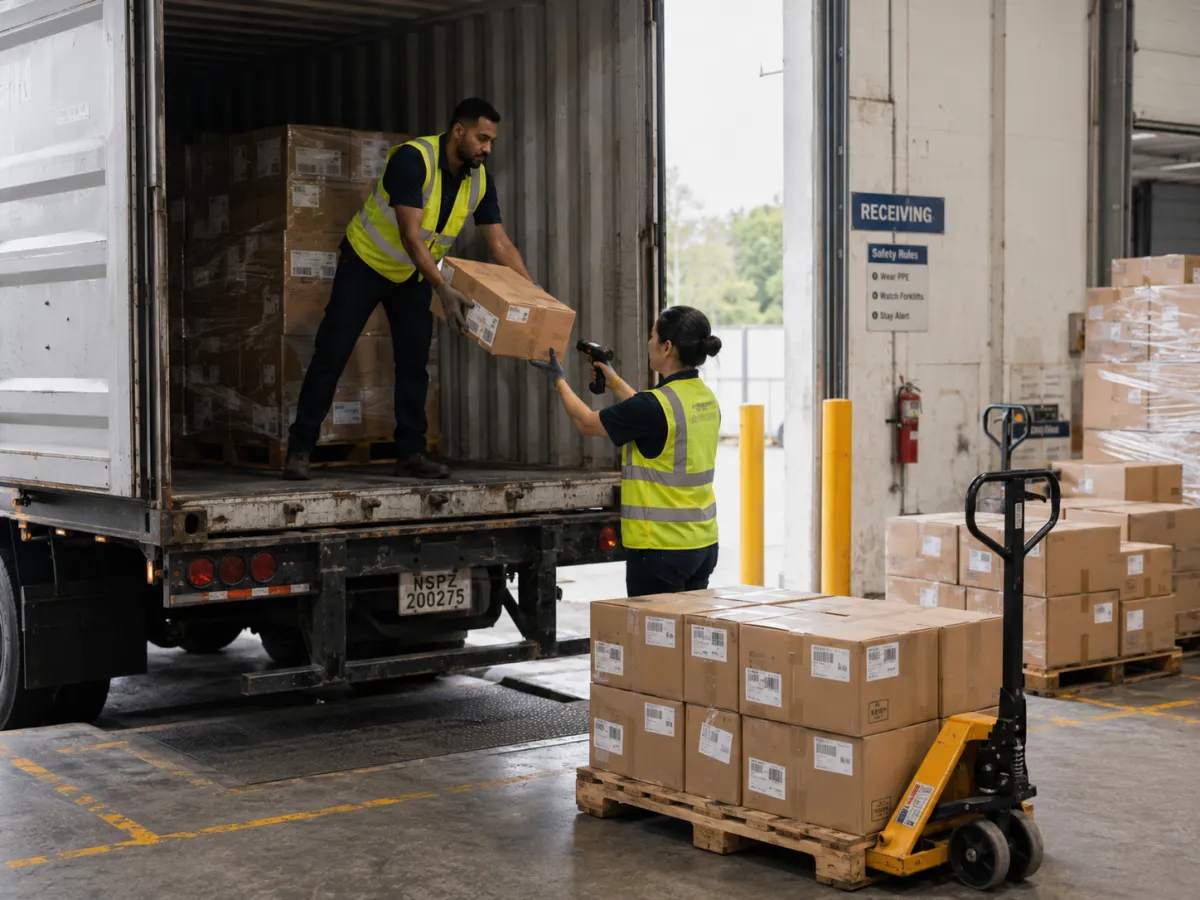
- Receiving. Scan the lot number from the case label instead of typing it. Keep the supplier's lot number exactly as it arrives. If you assign your own internal lot, store the supplier's next to it, because that is the number a recall notice will use.
- Putaway and moves. Record the location by lot, not just by item. Two pallets of the same item in different bins may be two different lots.
- Picking. Pick by lot when the order or the expiry date calls for it, and scan the lot at the pick to confirm it. Rotation rules such as first expired, first out only work if the picker takes the lot the system asked for.
- Shipping. Record which lot left on which order. That record is what turns a recall from calling every customer into calling only the customers who received the lot.
Endpoint Cloud records the lot at each of these points by scan, from receipt to shipment, and can trace a lot forward to the customers who received it or back to the supplier who sent it.